 |
|
IN THIS EMAIL
|
|
|
 |
|
FEATURED reD RESOURCE |
|
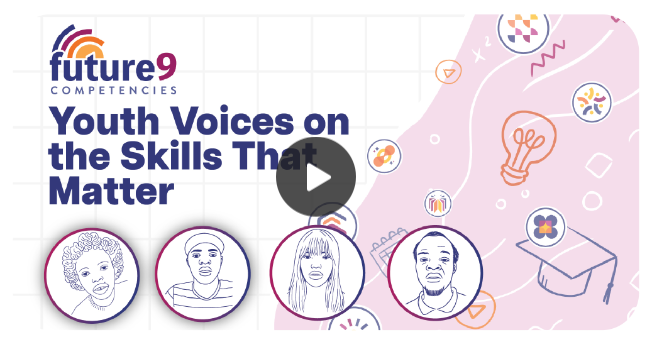
Youth Survey Report: What Young People Want You to Know About the Skills That Matter
16–24-year-olds don’t want less rigor. They want more meaning.
We asked young people what matters most to them in our recent pulse-check on how high schoolers, college students, and recent grads relate to reDesign’s Future9 Competencies and where they see alignment—and gaps—between school, life, and the future of work.
Top Takeaways:
🔧 Future-focused and passionate
76% report weekly hands-on learning, 72% are active in their communities, and most regularly seek feedback and advocate for themselves.
🎨 Creative outlets are getting squeezed
30% pursue creative passions less than once a week— as they report spending more time prepping for tests than building anything new.
🧠 Essential skills are under-taught.
Competencies like “Sustain Well-being” and “Navigate Conflict” are under-taught–even though young people say they matter most.
🤝 They want tools, not just talk.
Young people are clear: they want tools, mentoring, and meaningful opportunities to grow. And they’re asking adults to show up with emotional support, patience, and trust.
|
|
|
| SEE WHAT YOUTH ARE SAYING |
|
|
 |
|
CBE PROBLEM OF PRACTICE/STRATEGY |
|
What It Really Takes to Lead Systemic Change
In the latest episode of the Aurora Institute’s Fireside Chat series, our Executive Director, Antonia Rudenstine, joins Aurora Institute CEO Virgel Hammonds to unpack what it takes to lead real transformation, using competencies and CBE as an essential lever.
Drawing from years of deep partnership with districts across the country, Antonia explores the lessons in leadership learning and development that led to the creation of CBE Catalyst.
You won’t want to miss this powerful conversation on how we can build CBE systems that help all learners (adult and youth) thrive.
|
| LISTEN IN ON THE CONVERSATION |
|
|
 |
|
RESOURCE FROM THE FIELD |
|
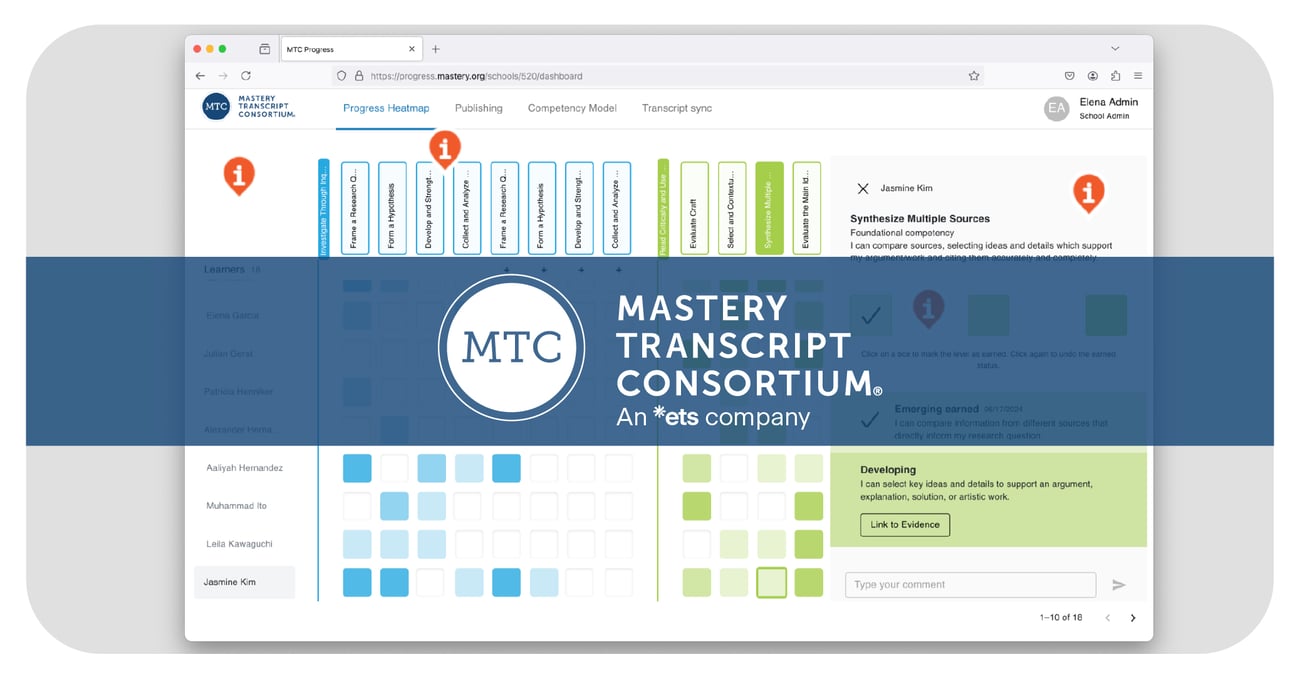
New Tool Spotlight: MTC Progress Tracker
Grades don’t tell the whole story. This NEW tool from Mastery Transcript Consortium lets students finally own their progress.
The MTC Project Tracker is a learner-led platform that helps students document growth, reflect on learning, and share meaningful evidence of their progress—across classes, teachers, and experiences. Whether they’re just beginning to explore competencies or preparing for postsecondary pathways, students can use the Tracker to:
📁 Build a portfolio of real-world evidence
🧠 Develop the language to talk about their strengths
📈 Track progress along a school’s learning scale
👥 Collaborate with educators and caregivers
If your school is on the journey toward more meaningful measures of learning, this is a tool worth exploring.
|
|
|